
Designing a garden with a robotic lawn mower in mind is one of the smartest ways to achieve a high-quality lawn with minimal effort. A well-planned layout improves mowing efficiency, enhances lawn health, and ensures your robot mower performs exactly as it should for years to come.
At Platts Robotics, we’ve installed thousands of robotic lawn mowers across the UK. From compact town gardens to large country estates, these are the 10 most important garden design tips we recommend when planning for robotic mowing success.
1. Plan Power and Charging Station Placement
A robotic lawn mower requires a single outdoor 13-amp power socket to operate its charging station. Planning where this power will come from is an important part of designing a robot-friendly garden. Ideally, the socket should be positioned close to the perimeter of the lawn, allowing the charging station to be located discreetly with easy access to the main mowing area. In some gardens, an existing external socket on the house wall may already be suitable. If not, installing a dedicated outdoor socket is usually the best long-term solution. A qualified electrician can position this exactly where it is needed for optimal performance and safety.
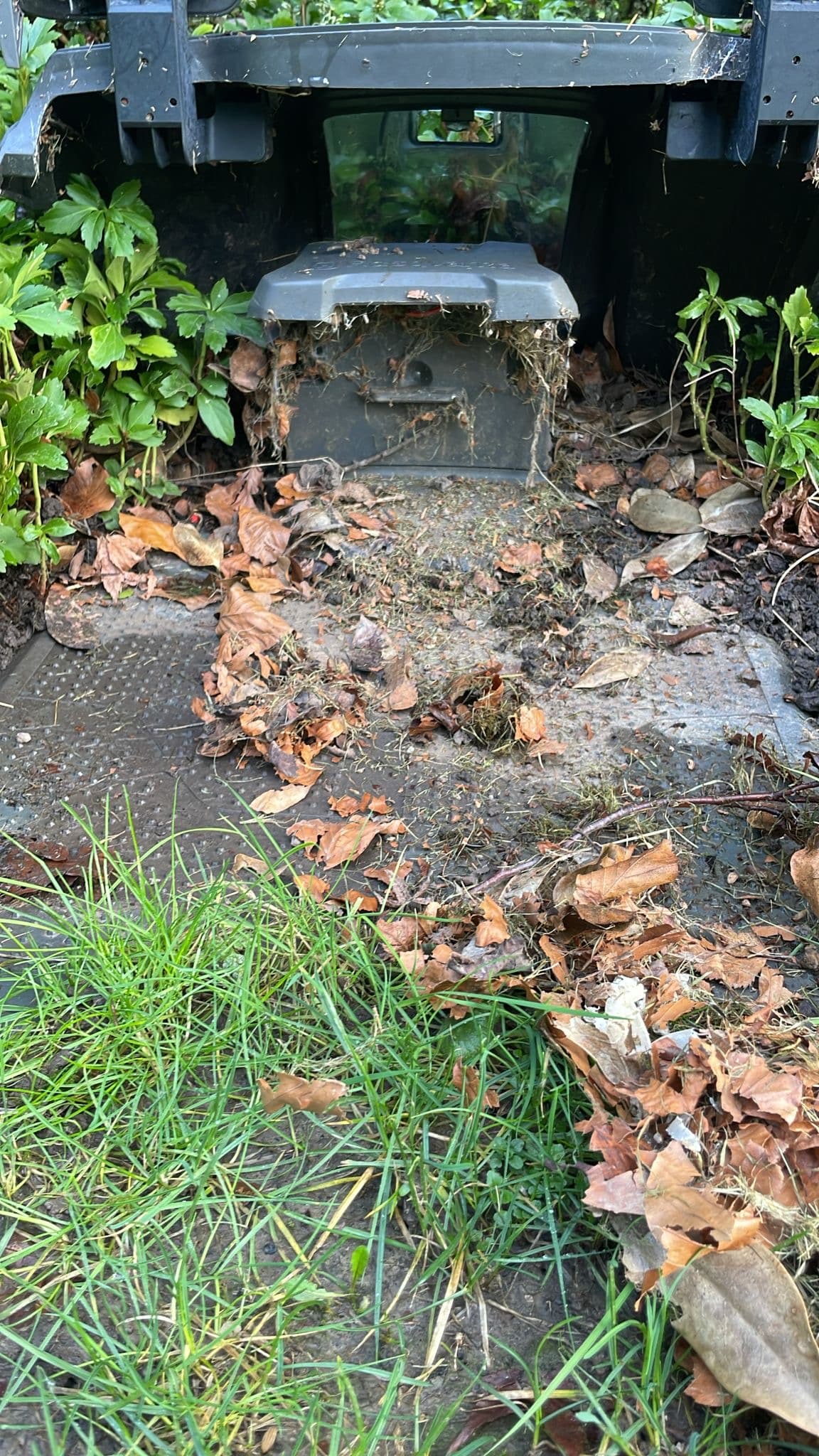
In most installations, the charging station can be powered with a cable run of up to 10-20 metres, although shorter cable lengths are always preferable. Reducing the distance between the socket and charging station improves reliability, minimises visual impact, and keeps the installation neat. The charging station itself should be positioned off the lawn, ideally tucked into a flower bed or along a landscaped edge rather than near doorways or walkways where it could become a trip hazard. When installed thoughtfully, it can be almost completely hidden from view. Slightly raising and levelling a flower bed allows the charging station to sit neatly while plants are grown around it for a clean, integrated finish. For an even tidier result, a protective charging station cover can be fitted. This allows planting to grow around the station without interfering with docking, while also offering additional weather protection and improving the overall appearance of the garden.
It’s important to avoid using extension leads for permanent installations, as they increase the risk of power surges and electrical faults that can damage the mower. However, extension leads can be used temporarily during initial testing or setup, provided they are removed once a permanent power solution is in place.
Keep 1-2m in front of the charging station clear for a straight entry to minimise docking errors or unnecessary wear and tear in front of the base.
Careful planning of power and charging station placement ensures safe operation, reliable docking, and a discreet installation that blends seamlessly into your garden design.
2. Keep Lawn Shapes Flowing and Avoid Sharp Angles
Modern robotic lawn mowers are packed with technology, including AI vision and intelligent navigation, meaning wide, open lawns are no longer essential. Today’s robots can handle complex garden layouts far better than earlier generations. Some advanced models, such as the Husqvarna 405VE Nera, include a dedicated EdgeCut feature. This uses a secondary cutting disc specifically designed to trim closer to hard edges, further reducing the amount of manual edging required and delivering sharper lawn borders. That said, tight corners and sharp, acute angles should still be avoided where possible. These areas tend to be less efficient for any robotic mower and can result in small patches that need occasional manual tidying.
In a well-designed garden, a robotic mower will typically maintain around 98–99% of the lawn automatically, with only minimal finishing required using a strimmer or edge trimmer. Soft curves and flowing lawn shapes significantly reduce this manual work and help achieve a cleaner overall finish. Designing lawns with gentle curves rather than sharp angles allows the robot mower to work more efficiently, improves coverage consistency, and keeps ongoing maintenance to an absolute minimum.
3. Avoid Very Narrow Lawn Sections
Very narrow strips of grass between borders, paths, or buildings can be difficult for robotic mowers to manage consistently. Ideally keep grass passages to a minimum of 1 metre (depending on the physical size of the model) to allow free flowing movement and easy turning. The more the robot mower has to turn, in wet and boggy conditions it can churn up the grass. Where possible, widen lawn areas or replace tight strips with planting, gravel, or paving to improve overall performance.
4. Install Clean, Defined Lawn Edges
Well-defined lawn edges make a significant difference to how effectively a robotic lawn mower can be installed and how neatly it performs day to day.
Flush edging systems such as EverEdge can be helpful, but they are not essential. What matters most is that the lawn perimeter is clearly visible and consistently defined, allowing the robot mower to be installed accurately to the true edge of the grass.
Simple tools such as edging shears can do an excellent job of sharpening lawn borders around flower beds, paths, and shrubs. Taking the time to clearly define these edges before installation helps ensure the mower can be programmed accurately to the boundary.
It’s also important to address any holes, dips, or uneven areas along the lawn perimeter. The edge of the lawn is where a robotic mower typically completes its turns before changing direction. A smooth, level edge allows these manoeuvres to happen cleanly and consistently, improving coverage and reducing wear on the mower.
When edges are neat, visible, and level, robotic mowers can work close to the boundary, significantly reducing the need for manual trimming and delivering a much cleaner overall finish.
5. Use Flush Paths and Level Transitions
Raised edges, steps, or sudden height changes can prevent a robot mower from moving freely. Designing paths and patios to sit flush with the lawn creates seamless transitions and ensures uninterrupted mowing. Certain robot mowers are able to climb a small step such as the Segway Navimow X450E, however the more level the path is with the grass surface, the less wear and tear on the wheel motors and tyres. Very few gardens are simple and straightforward, most are complex in nature and often disconnected with paths or driveways. If you can level up, it is the key to unlocking the robot mowers potential to cover more of the lawn area.
6. Choose Hard Landscaping Materials Carefully
The colour and material of paths, patios, and terraces play an important role when designing a garden for a robotic lawn mower – especially if the mower needs to cross hard surfaces.
Light-coloured materials such as white or pale porcelain tiles tend to show muddy wheel marks very easily, particularly during winter or wet conditions. If a robot mower regularly crosses these surfaces, visible tracks can quickly appear and require frequent cleaning. More forgiving materials such as Indian sandstone or reclaimed Yorkshire stone paving are far better suited to robotic mowing environments. Their natural texture and colour variations help disguise any temporary marks left as the mower travels between lawn areas, keeping paths and patios looking cleaner for longer.
If you’re planning to position the robot mower’s charging station on a patio or terrace, it’s also worth considering the visual impact. Locating the charging station directly outside a back door can lead to mud being brought close to the house. Instead, placing the mower towards the edge of the garden or within a flower bed keeps it discreet, reduces mess near entrances, and allows the installation to blend naturally into the landscaping.
Thoughtful choices around materials and placement not only improve how your garden looks but also reduce maintenance and keep robotic mowing running smoothly year-round.
7. Give Your Lawn a Final Cut Before Installation
Before installing a robotic lawn mower, it’s important to give your lawn a final cut using a conventional mower. This helps the robot mower get up and running immediately and ensures the installation process goes smoothly. A freshly cut lawn makes it much easier for the installer to clearly identify lawn edges, flower beds and borders, allowing for more accurate setup and cleaner results from day one.
It’s equally important to remove grass clippings afterwards, particularly after wet weather. So if you have a mulching mowing, use a rake or ideally use one with a collection box. Dense clumps of cut grass can be difficult for a robotic mower to work through, causing unnecessary strain on the motors and may temporarily affect cutting performance. Clearing the lawn ensures the robot can operate efficiently from its very first cycle.
Once this final cut is done, your robotic lawn mower takes over completely. With regular, automated mowing, the grass stays consistently trimmed, clippings are finely mulched back into the lawn, and there’s no need to return to a traditional petrol or electric mower. That one last manual cut sets the foundation for years of effortless robotic lawn care.
8. Design Slopes Gradually and Plan Level Transitions
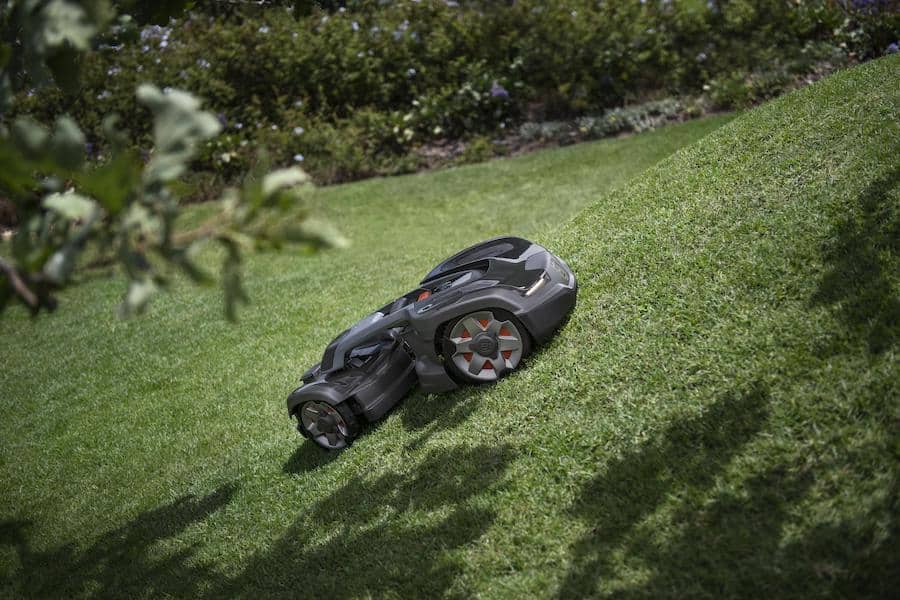
Most modern robot lawn mowers are capable of handling slopes very well, but gradual inclines are always preferable to sudden changes in gradient. Smooth contours improve traction, reduce wheel spin, and help the mower maintain consistent cutting patterns across the lawn.
Sharp drops, abrupt banks, or uneven transitions are far more challenging than steady slopes. When shaping a garden, easing changes in level wherever possible will result in better mowing performance and less strain on the mower over time.
If your garden design includes lawns on different levels, it’s important to think about how the robotic mower will move between them. While a mower can be picked up and placed manually, one of the biggest advantages of robotic mowing is the ability to truly “set and forget” the system. For that to work, the mower needs a physical route between lawned areas.
Robotic mowers won’t climb a large set of steps or retaining walls, so expectations need to be realistic. Where level changes are required, a purpose-built ramp is the most effective solution.
As a general guideline, ramps should be:
• Around 60cm – 1m wide
• No steeper than approximately 12-24 degrees (depending on the mower model)
• Smooth, stable, and well integrated into the landscape
Designing slopes and transitions thoughtfully allows the robotic mower to operate fully autonomously, delivering consistent results across multi-level gardens without manual intervention.
9. Reduce the Number of Small Lawn Islands
Small lawn islands around trees or garden features can look attractive, particularly when planted with spring bulbs such as daffodils or snowdrops, adding seasonal interest to the garden. When used intentionally, these features can work well from a design perspective. However, small isolated grass areas often create inefficiency for robotic mowing. The more lawn edges you introduce, the more edging and finishing work may be required over time. It’s important to balance the visual benefit of these features against the ongoing manual maintenance they can create.
10. Consider Including Permanent Wild Grass Areas
Incorporating wild grass areas into your garden design can significantly improve biodiversity while working beautifully alongside a robotic lawn mower. Rather than creating a wild area for just a month or two in summer, consider maintaining a permanent long-grass zone, ideally around the perimeter of the garden or in less-used areas.
These wild grass zones provide essential habitat for insects, pollinators, beetles, hedgehogs, frogs, and other grass-dwelling wildlife. Long grass offers shelter, nesting material, food sources, and safe corridors for movement, helping to support a healthy garden ecosystem year-round. This is particularly important as natural habitats continue to decline in built-up and suburban environments.
From a visual perspective, wild grass can also look fantastic when used intentionally. The contrast between long, natural meadow-style grass and short, precisely maintained lawn creates a strong design statement. Because a robotic lawn mower cuts little and often, it produces a very clean, even edge, giving wild areas a deliberate, sculpted finish rather than an unkempt look.
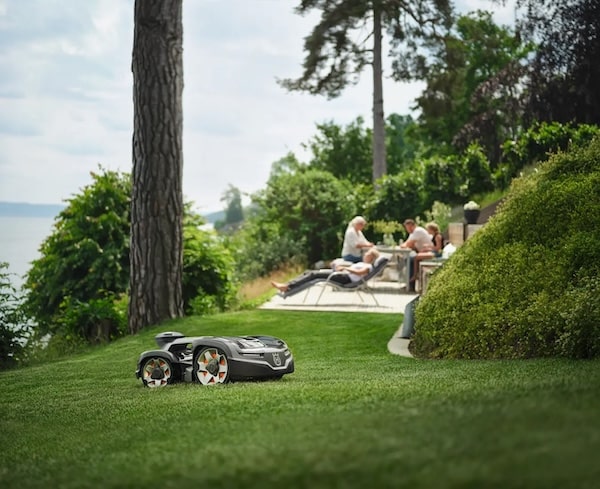
That said, it’s important to distinguish between intentional wild areas and grass that has been left long purely due to access limitations. As professional robot mowers installers, when we come to installing a robot mower in a clients garden, historically long grass has often been left around the base of trees because ride-on or walk-behind mowers couldn’t reach underneath. Or at least without creating difficulty for the operator! This limitation doesn’t apply to robotic lawn mowers. Their low profile allows them to mow cleanly beneath trees, so unmown rings should only exist where they are a deliberate design or ecological choice.
When planned thoughtfully, wild grass areas reduce mowing time, support wildlife, and enhance the overall appearance of a robot-maintained garden – combining sustainability with a polished, practical and modern finish.
Design for the Future
Even if you’re not installing a robot mower immediately, planning a robot-friendly garden now avoids costly changes later. Forward-thinking layouts are easier to automate and deliver better results long term. So before you lay turf for your new lawn or dig out the foundations for that patio, don’t forget to lay a duct for some potential power cables. It’s cheap and simple to do while the ground is exposed, and much harder once everything has been landscaped!
Why Garden Design Matters for Robotic Mowing
• A robotic lawn mower works best when the garden supports it. Thoughtful design leads to:
• More consistent mowing patterns
• Healthier, better-looking grass
• Fewer interruptions and errors
• Longer mower lifespan
• Good garden design doesn’t just improve aesthetics, it improves performance.
Expert Robot Mower Advice from Platts Robotics
With a decade of experience and thousands of installations completed, Platts Robotics is one of the UK’s most trusted robot lawn mower specialists. We help homeowners design, install, and maintain gardens that truly work with automation.
If you’re planning a new garden, redesigning an existing space, or considering a robotic lawn mower, expert guidance at the design stage makes all the difference.