
If you are considering investing in a robotic lawn mower, one of the most common and sensible questions is:
How long will it last?
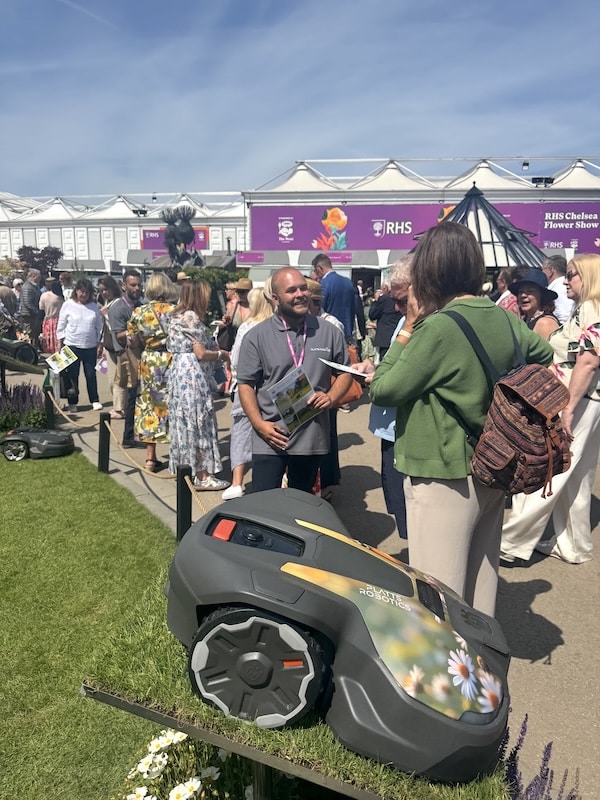
At Platts Robotics, we have been supplying, installing and servicing robotic lawn mowers for over 10 years. In that time, we have seen first-hand how long different models last, what causes failures, and what separates a short-lived machine from one that performs reliably for many years.
Here is a clear, honest guide to the life expectancy of a robotic lawn mower in the UK.
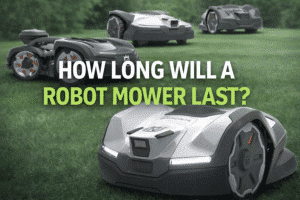
Average Life Expectancy of a Robotic Lawn Mower
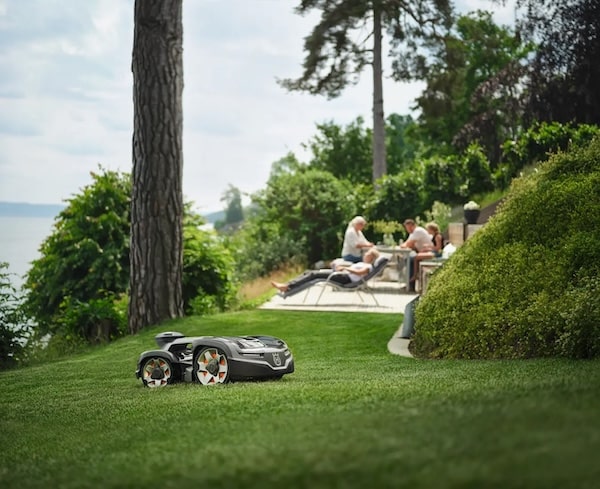
In the UK climate, a high-quality robotic lawn mower from a reputable manufacturer will typically last:
7 to 10 years
In many cases, we still service machines that are over 10 years old and operating well with the right maintenance.
However, lifespan depends heavily on:
- Brand and build quality
- Garden size
- Garden complexity
- Garden terrain
- Installation quality
- On-going servicing
- Battery care
- Weather exposure
- How often it is used
Cheaper entry-level machines may only last 3 to 5 years, particularly if unsupported or poorly installed.
Case Study: Lifespan of a Husqvarna Automower
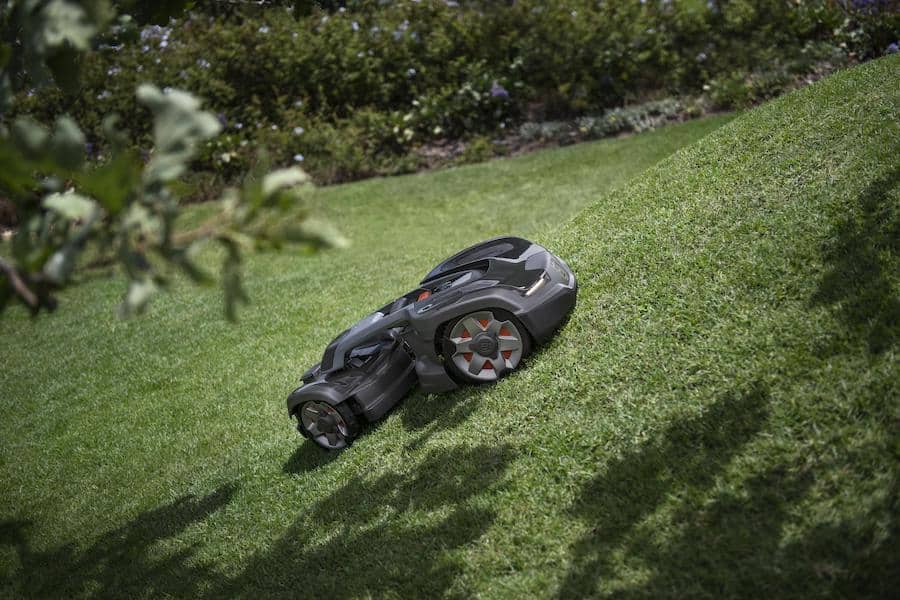
Husqvarna Automower robotic lawn mowers are manufactured in the UK at Husqvarna’s dedicated production facility in Newton Aycliffe, County Durham. This is a purpose-built site focused on robotic mower production, operating to high engineering standards with strict quality control and precision assembly processes.
UK manufacturing plays a direct role in long-term reliability. Tight build tolerances, robust sealing systems and consistent quality checks help protect internal electronics and drive components from moisture and wear. Over time, these factors contribute to extended machine lifespan and dependable performance in demanding British conditions.
There are also practical supply chain advantages. Because the machines are built domestically, they do not need to travel thousands of miles by sea before reaching UK customers. Shorter transport routes reduce shipping emissions and simplify logistics. Parts availability is typically more stable, lead times can be more predictable and warranty support can be handled efficiently through established dealer networks. This means if parts can be changed in a timely manner the lifespan can dramatically increase.
For UK customers, there is added reassurance in knowing the machines maintaining British lawns are built in Britain. Alongside technical benefits, domestic production supports skilled British workers in engineering and reinforces long-term investment in The UK manufacturing economy.
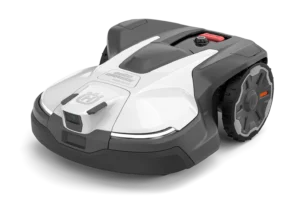
Ultimately, while careful ownership and regular servicing are essential to maximise lifespan, high manufacturing standards provide the foundation. Examples of premium machines include the Husqvarna Automower 430V NERA and 450V Nera which are engineered for long-term durability. So the million dollar question..
How long does a Husqvarna Automower last?
When installed correctly and serviced annually, these machines should commonly achieve 7 to 10 years of working life.
What parts wear out quickest on a robot lawn mower?
The most common robot lawn mower parts to require replacement are the moveable parts. These include:
- Robot mower front wheels – including bearings and tread (2 years)
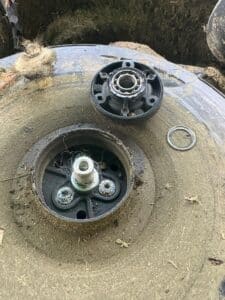
- Robot mower wheel motors – 2 on a standard robot mower or 4 on an AWD robot mower (3 years)
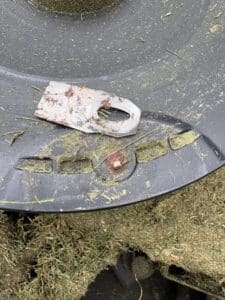
- Robot mower blades 2-3 months
- Cutting Deck – 2 years
- Cutting motor – 4 years
Typical robotic mower battery lifespan:
- 3 to 5 years
- 3,000+ charge cycles
- Dependent on lawn size and run time
The good news is that replacing a battery does not mean replacing the machine. A new battery can often extend the mower’s usable life by several years.
We routinely replace batteries on machines that then continue performing reliably for many more seasons.
What Shortens the Life of a Robotic Lawn Mower?
From our servicing experience, early failure is usually caused by one of the following:
Buying Cheap Online Without Support:
Many customers focus on purchase price alone. However:
- Incorrect model selection can overwork the mower
- No after-sales support means small issues become major repairs
- Warranty claims can become complicated
- Software updates and diagnostics may be missed
The cheapest price is rarely the lowest long-term cost.
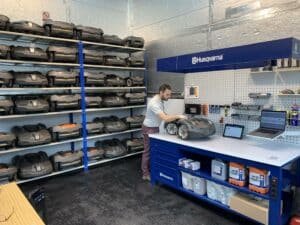
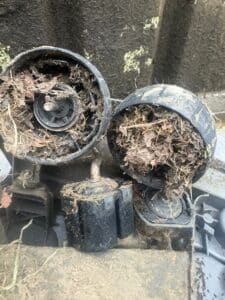
No Annual Service
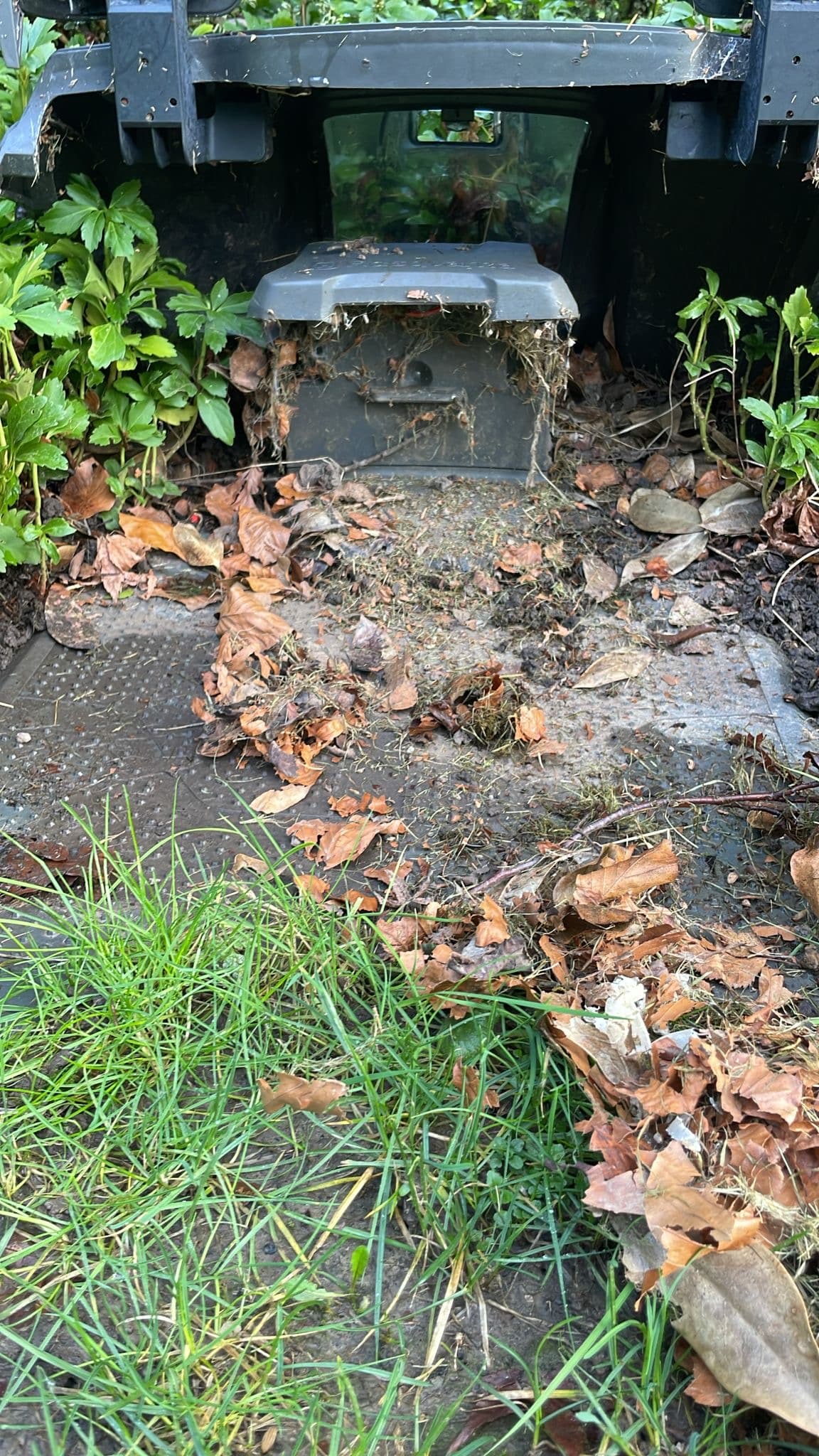
A robotic mower should be serviced yearly. This includes:
- Cleaning and internal inspection
- Blade motor checks
- Wheel motor checks
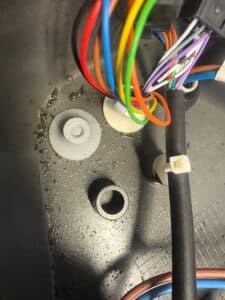
- Seal inspection
- Vent replacement
- Blade replacement
- Battery diagnostics
- Firmware updates
- Correct storage
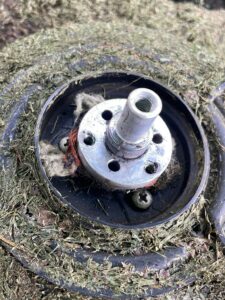
Mistreating your machine
What to Do and What to Avoid:
- Replace robot mower blades regularly to avoid threading
- Don’t cut your lawn too short if the conditions do not permit. The lower the cutting deck is to the ground the more problems it will encounter
- Handle with care, using the handle where possible. Dropping it can cause internal and external damage
- Set robot mowers to cross driveways at off-peak times of day
- Avoid standing water. Submerging your robot mower can cause corrosion on the internal components. Instead create stay out zones or park your mower.
- Spend time watching your robot mower and noting where any why it becomes stuck. Solving the issue rather than leaving it can reduce long-term damage!
- Avoid operating during frosty conditions
- Don’t leave anything that can get wrapped around the cutting motor
- Don’t let your battery drain for a long period of time in cold weather. Always check power
- Always use official replacement parts from a reputable and official robot mower dealer
Final Answer: How long will a Robot Mower last?
In the UK:
Premium machine + professional installation + annual servicing = 7 to 10 years
Poor installation or no support can reduce that to 3 to 5 years
A robotic lawn mower is not a disposable gadget. When chosen correctly and supported properly, it is a long-term piece of garden machinery.
If you would like honest advice on which robotic mower is best suited to your garden and how to ensure it lasts as long as possible, Platts Robotics are always happy to help.